
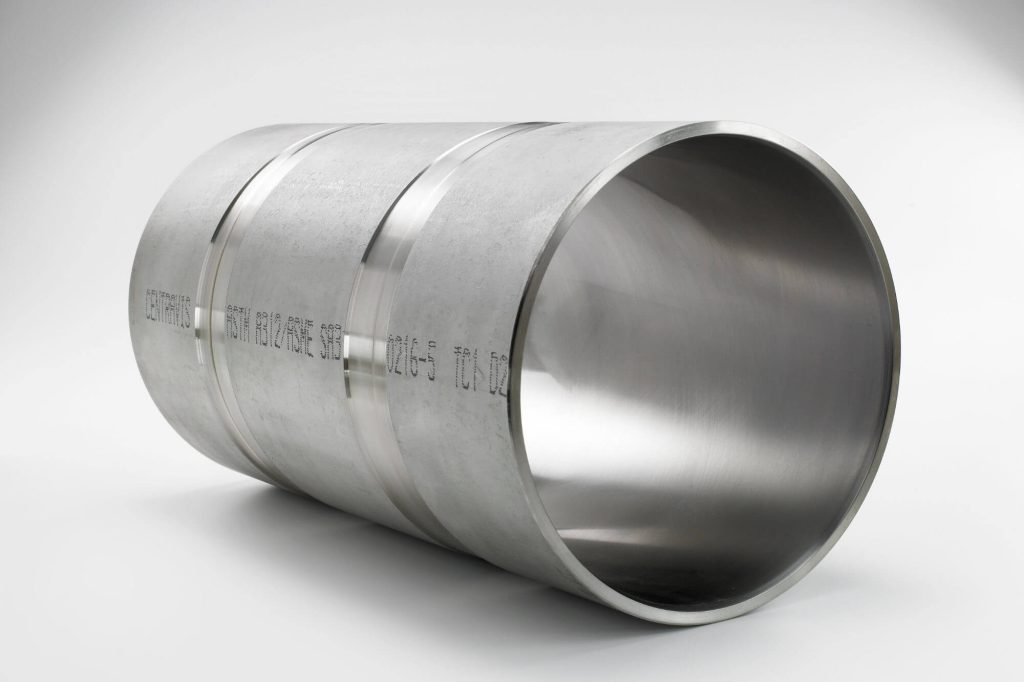
Honed tubes are often preferred for hydraulic cylinders due to their superior surface finish. Understanding the benefits of honing over skived and roller burnished tubes can help make more informed decisions for your projects. Let's dive into the details.
Honed tubes provide a smoother surface and more precise dimensions compared to skived and roller burnished tubes, making them ideal for hydraulic applications. They offer better wear resistance and efficiency.
Transition paragraph:
If you're considering different tube finishing methods, keep reading to explore how honing stands out for hydraulic applications.
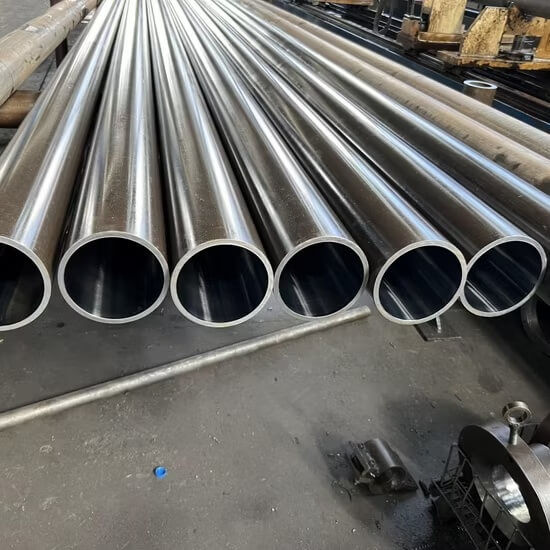
What Are the Benefits of Using Honed Tubes Over Skived and Roller Burnished Tubes?
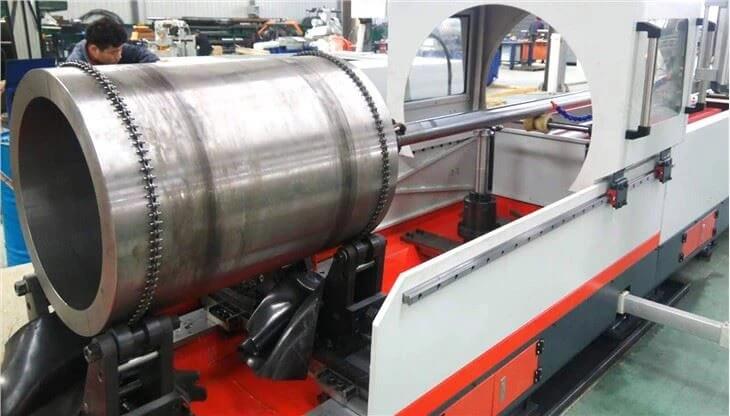
Honing is a precision process that removes material from the inner surface of a tube. Compared to skived and roller burnished tubes, honed tubes[^1] offer several advantages, particularly in applications requiring high tolerance and smooth finishes.
Snippet paragraph:
Honed tubes have a finer finish and more consistent dimensions, which makes them more durable and efficient in high-performance hydraulic applications[^2].
Comparing Honed Tubes with Skived and Roller Burnished Tubes
Skived tubes are usually finished using a skiving tool, which removes a thin layer of material to achieve smoothness. Roller burnishing[^3], on the other hand, uses a set of rollers to smooth the inner surface. While both of these methods are effective for certain applications, honing provides a more consistent finish. It also improves the straightness of the tube and reduces the risk of deformation during the manufacturing process.
Honed tubes have the added benefit of being able to handle larger diameter tolerances with precision. This makes them suitable for demanding engineering projects. If you are working with hydraulic cylinders[^4], the benefits of honing cannot be overstated.
| Property | Honed Tube | Skived Tube | Roller Burnished Tube |
|---|---|---|---|
| Surface Finish | Very smooth | Smooth, but less uniform | Smooth, but may show imperfections |
| Tolerance | Tight, consistent | Moderate | Moderate |
| Suitability for Hydraulic Systems | Excellent | Good | Good |
| Cost | Higher | Lower | Moderate |
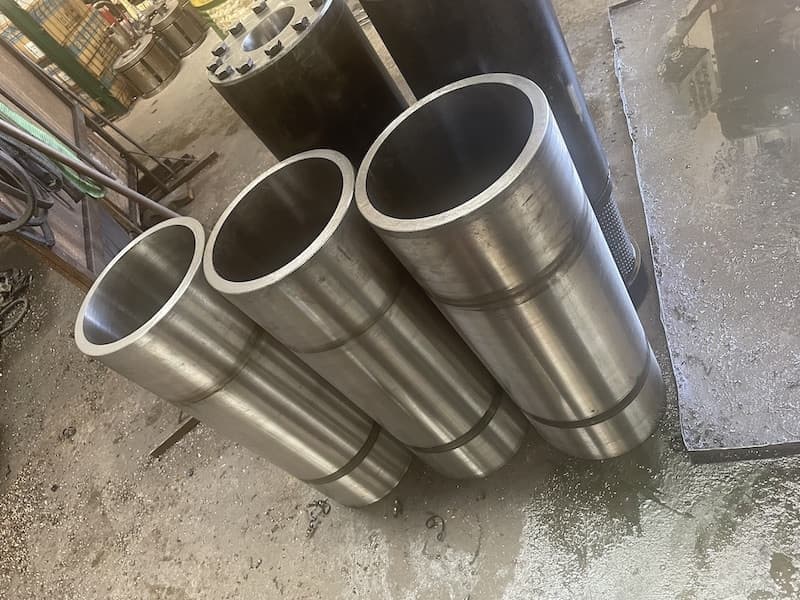
How Does the Honing Process Improve the Surface Finish of Hydraulic Cylinders?
The honing process refines the inner surface[^5] of hydraulic tubes, removing imperfections and creating a consistent, smooth finish. This results in better performance for hydraulic cylinders.
Snippet paragraph:
Honing significantly enhances the inner surface quality of hydraulic cylinders, leading to reduced friction, improved efficiency, and longer service life[^6].
The Role of Honing in Surface Finish
The honing process involves using abrasive stones to carefully remove material from the tube’s interior surface. This method is highly effective in smoothing the surface and eliminating any microscopic inconsistencies left from previous manufacturing processes. As a result, the tubes exhibit a uniform finish that reduces friction between moving parts in hydraulic systems.
| Benefit | Honed Tubes | Non-Honed Tubes |
|---|---|---|
| Surface Smoothness | Very smooth | Can be rougher |
| Friction | Reduced | Higher |
| Wear Resistance | High | Moderate |
| Contamination Risk | Low | Higher |
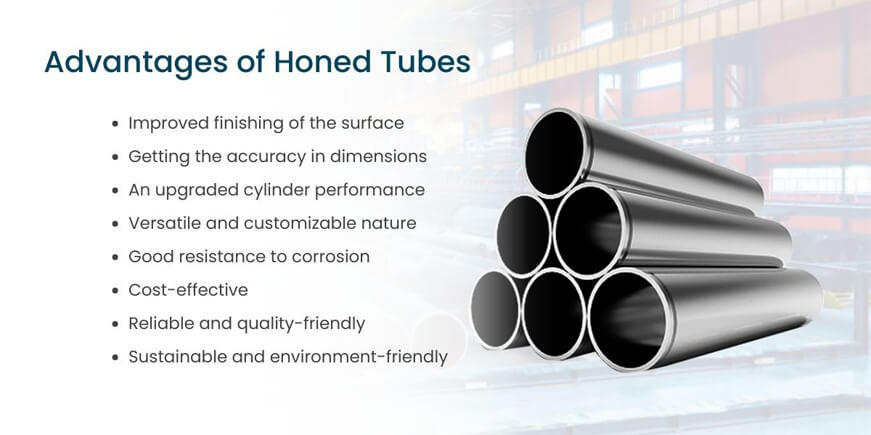
What Materials Are Best Suited for Honed Tubes in Hydraulic Applications?
When selecting materials for honed tubes in hydraulic systems, factors such as strength, corrosion resistance, and machinability play a crucial role.
Snippet paragraph:
Materials like carbon steel, stainless steel, and alloy steel[^7] are commonly used for honed tubes in hydraulic applications, offering the right balance of strength and resistance.
Best Materials for Honed Tubes in Hydraulic Systems
The most common materials used for honed tubes in hydraulic cylinders include carbon steel[^8], stainless steel, and alloy steel. Each of these materials has its advantages, depending on the specific requirements of the application.
| Material | Strength | Corrosion Resistance | Cost |
|---|---|---|---|
| Carbon Steel | Moderate | Low | Low |
| Stainless Steel | High | High | High |
| Alloy Steel | Very High | Moderate to High | Moderate |
What Are the Typical Applications for Honed Tubes in the Engineering Industry?
Honed tubes are widely used across various sectors in the engineering industry, offering precise and reliable solutions for hydraulic applications.
Snippet paragraph:
From construction machinery to automotive systems[^9], honed tubes are used in applications that require precision and durability, such as hydraulic cylinders.
Common Applications of Honed Tubes in Engineering
Honed tubes are critical in numerous engineering applications, particularly in industries requiring hydraulic systems. They are most commonly used in:
- Construction Machinery: Hydraulic cylinders in excavators, cranes, and bulldozers.
- Automotive Systems: Power steering systems and other hydraulic components.
- Industrial Machinery: Hydraulic presses, lifts, and other equipment requiring high precision.
| Industry | Common Use | Benefits |
|---|---|---|
| Construction | Excavators, cranes | Precision, durability |
| Automotive | Power steering systems | Smooth operation, longevity |
| Industrial Machinery | Hydraulic presses | High pressure handling |
Conclusion
In summary, honed tubes offer several key benefits over skived and roller burnished tubes, especially in hydraulic applications. Their superior surface finish, consistent tolerances, and better material options make them the go-to choice for high-performance systems.
Here are the key takeaways:
- Honed tubes provide a smoother, more precise finish than skived or roller burnished tubes.
- They improve the efficiency and longevity of hydraulic cylinders.
- The honing process ensures high dimensional accuracy, ideal for hydraulic applications.
- Honed tubes come in a variety of materials suited for different operational environments.
- They are widely used in industries like construction, automotive, and industrial machinery.
In conclusion, choosing honed tubes will help ensure your hydraulic systems perform at their best and last longer.