
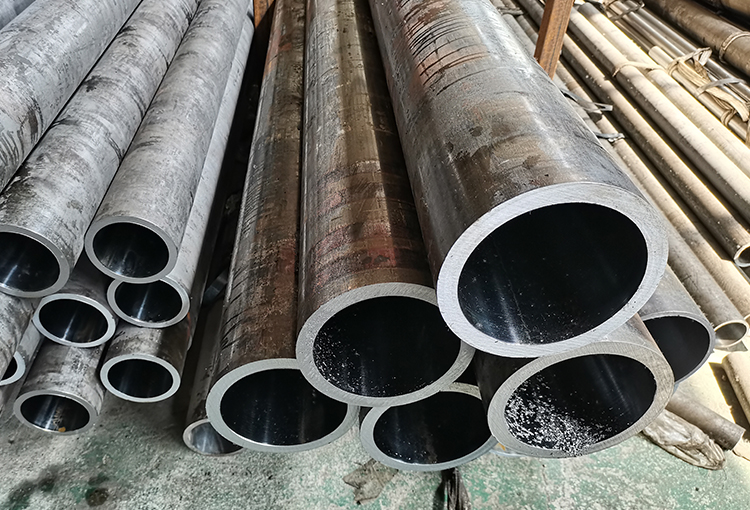
Seamless steel honed tubes solve durability and precision challenges for industrial applications.
Seamless steel honed tubes are precision-engineered products used in hydraulic systems and high-stress environments.
Learn why seamless steel honed tubes are essential for your business.
What is a seamless steel tube used for?
Seamless steel tubes[^1] are used for high-pressure systems in various industries.
Seamless steel tubes[^2] serve hydraulic, oil, and construction sectors due to their strength and precision.
Seamless steel tubes[^3] have wide applications. They are ideal for industries requiring resistance to pressure and wear.
Key applications of seamless steel tubes:
| Application | Industries |
|---|---|
| Hydraulic cylinders | Machinery and equipment |
| Oil and gas pipelines | Energy sector |
| Structural engineering | Construction |
Seamless tubes[^4] also reduce failures in hydraulic systems. Their precise design ensures efficiency.
What is a honed tube?
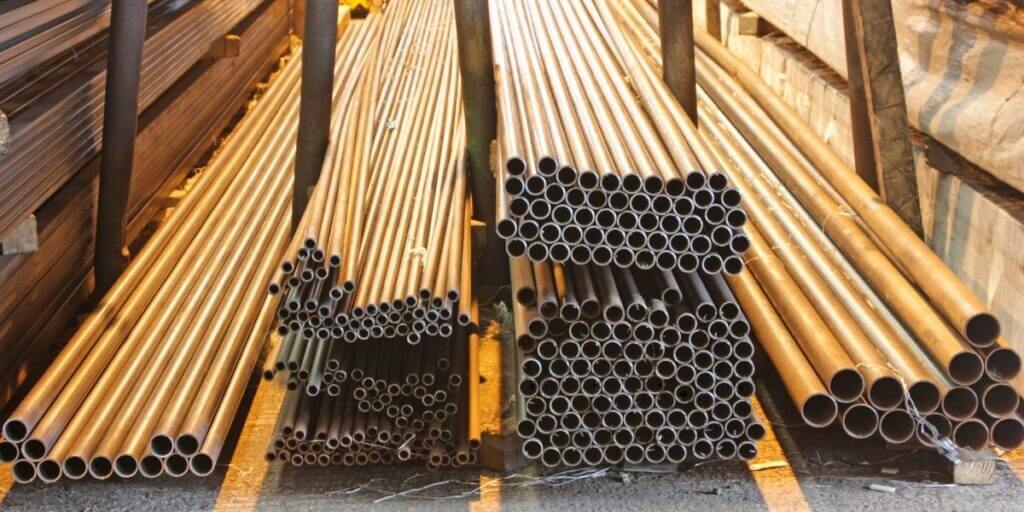
Honed tubes[^1] address the need for high-precision internal diameters in hydraulic cylinders.
Honed tubes[^2] have polished interiors for smooth hydraulic performance and minimal friction.
Honed tubes[^3] improve hydraulic system efficiency by reducing internal surface imperfections. This enhances reliability.
Differences between honed and regular tubes:
| Features | Honed Tubes[^4] | Regular Tubes |
|---|---|---|
| Surface finish | Highly polished | Standard |
| Friction resistance | High | Moderate |
| Usage | Hydraulic systems | General applications |
By using honed tubes[^5], industries achieve better system life and lower maintenance costs.
What is the difference between seamless steel and stainless steel?
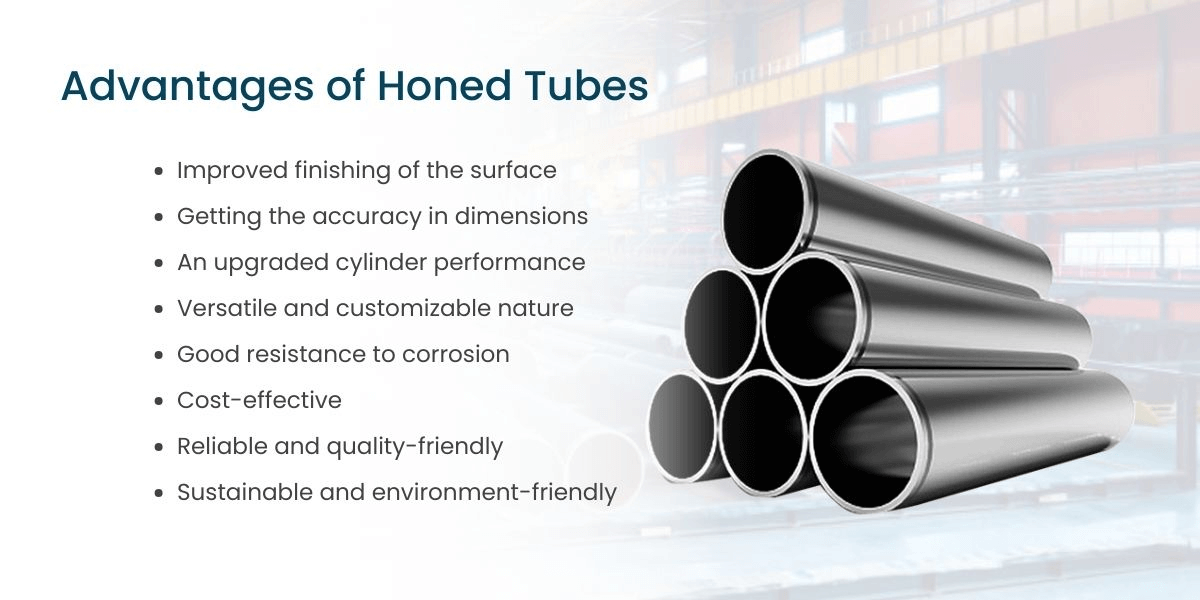
Seamless steel[^1] and stainless steel tubes[^2] cater to different material needs.
Seamless steel[^3] is for high-pressure use, while stainless steel[^4] offers corrosion resistance.
Seamless steel[^5] excels in mechanical strength, while stainless steel[^6] prevents rusting in corrosive environments.
Comparison of seamless steel and stainless steel:
| Features | Seamless Steel[^7] | Stainless Steel[^8] |
|---|---|---|
| Strength | Superior | Moderate |
| Corrosion resistance | Low | High |
| Cost | Economical | Higher |
Selecting the right tube depends on the environment and application. Industries needing durability opt for seamless steel[^9], while those needing corrosion resistance choose stainless steel[^10].
What is the difference between seamless steel and carbon steel?
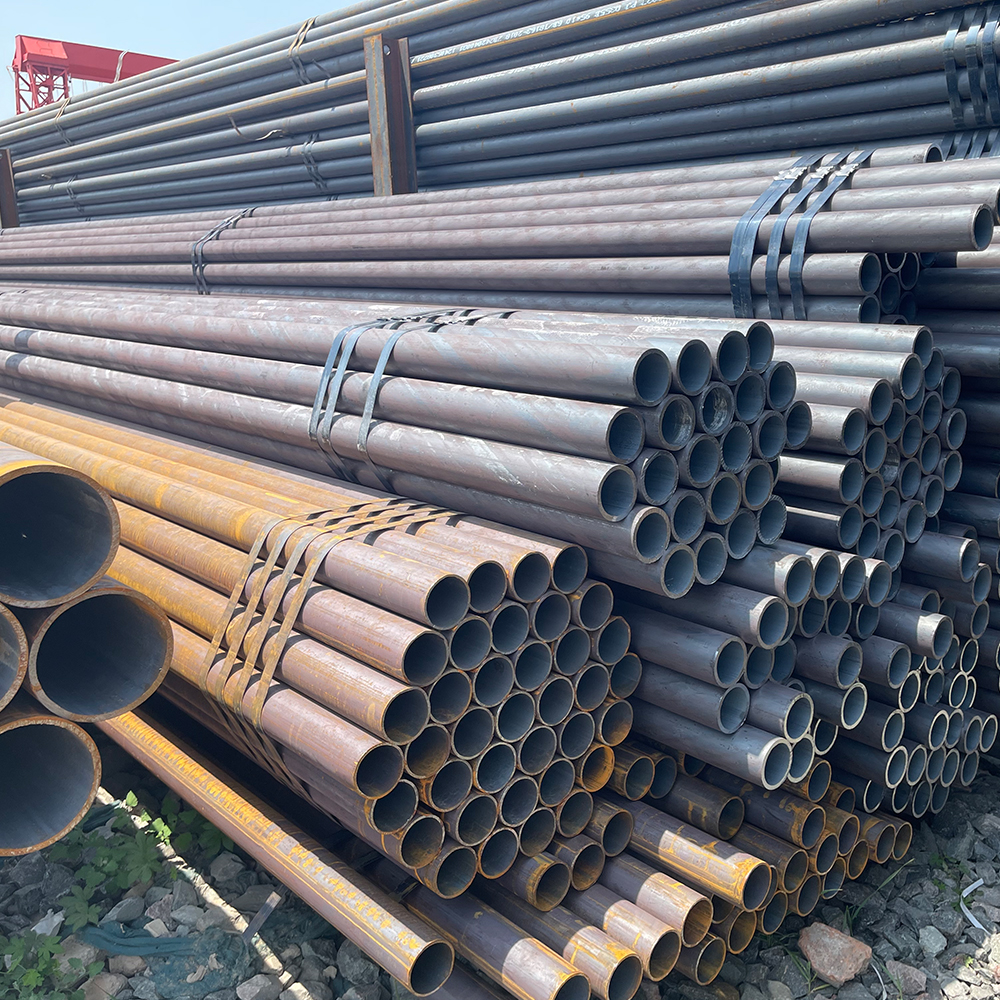
Seamless steel[^1] and carbon steel[^2] differ in composition and performance.
Carbon steel[^3] is affordable, while seamless steel[^4] provides uniformity for pressure applications.
Carbon steel[^5] works well in structural projects, but seamless steel[^6] is better for precision applications.
Advantages of seamless steel over carbon steel:
| Feature | Seamless Steel[^7] | Carbon Steel[^8] |
|---|---|---|
| Uniformity | High | Low |
| Pressure resistance | Excellent | Good |
| Surface finish | Superior | Basic |
While carbon steel[^9] is versatile, seamless steel[^10] ensures safety and efficiency in demanding environments.
Conclusion
Seamless steel honed tubes combine strength and precision for reliable industrial applications.
TEMPLATE_END