
Honing[^1] solves uneven surface issues in pipes, improving precision and reducing wear. This enhances pipe durability.
Honing improves surface finish by removing imperfections, reducing friction, and enhancing the efficiency of pipes in various applications.
Discover how honing transforms pipes and boosts their performance.
What are the key differences between honing and polishing?
Honing and polishing address different surface finish requirements, each suited for specific applications.
Honing[^2] improves dimensional accuracy and removes defects, while polishing[^3] enhances surface shine and smoothness.
Dive Deeper: Honing vs. Polishing
The honing process removes material from the pipe’s surface to correct shape and dimension. Polishing focuses on aesthetic and smoother finishes. Here’s a breakdown:
| Feature | Honing | Polishing |
|---|---|---|
| Purpose | Correct dimensional accuracy | Enhance surface appearance |
| Tools Used | Honing stones, flexible abrasives | Buffing wheels, polishing compounds |
| Surface Finish Achieved | Crosshatched pattern for oil retention | Smooth and shiny finish |
| Common Applications | Hydraulic systems, precision machinery | Decorative finishes, food-grade pipes |
Honing is critical for ensuring performance and functionality, while polishing is typically used where aesthetics are more important.
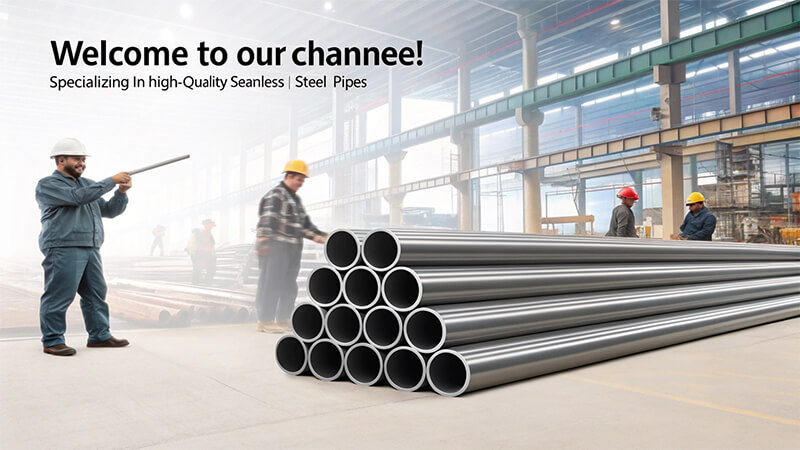
How does honing affect the lifespan of hydraulic systems?
Honing[^4] solves inefficiency issues in hydraulic systems by enhancing component precision.
Honing extends the lifespan of hydraulic systems by improving sealing, reducing friction, and preventing early wear.
Dive Deeper: Honing’s Role in Hydraulic Systems
Hydraulic systems rely on precise pipe surfaces to maintain high performance. The honing process creates uniform surfaces with crosshatched patterns that improve sealing and oil retention.
Benefits in Hydraulic Systems:
| Benefit | Description |
|---|---|
| Improved Sealing | Ensures tight seals, reducing fluid leaks. |
| Friction Reduction | Smooth surfaces lower friction, increasing system efficiency. |
| Extended Durability | Prevents early wear by eliminating surface irregularities. |
| Reduced Maintenance Costs | Prolonged lifespan lowers overall operational costs. |
Honed pipes also ensure smooth fluid flow, making them essential for hydraulic systems used in construction, manufacturing, and heavy machinery.
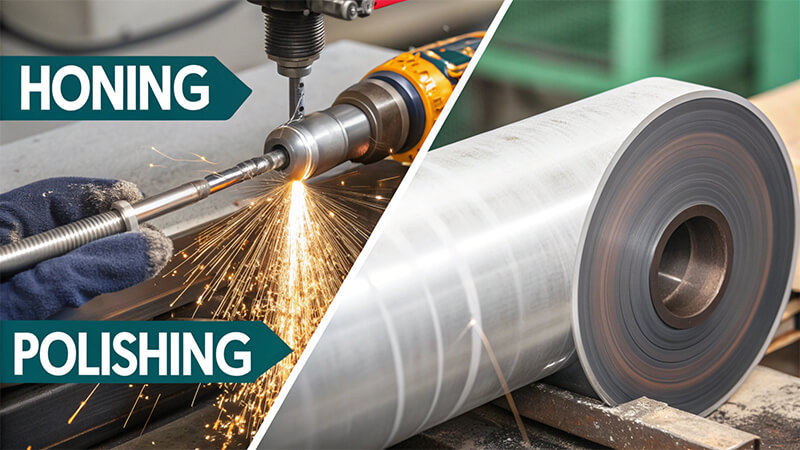
What industries benefit most from honed pipes?
Industries[^5] facing performance challenges rely heavily on honed pipes for efficiency and reliability.
Honed pipes are essential in hydraulic systems, automotive components, and manufacturing industries needing precision and durability.
Dive Deeper: Applications Across Industries
Honed pipes are widely used due to their precision and reliability. Below are some key industries benefiting from this process:
Key Industries
| Industry | Applications |
|---|---|
| Automotive | Cylinder components, fuel injection systems |
| Construction | Hydraulic cylinders, heavy machinery |
| Oil and Gas | Fluid transfer systems, high-pressure pipelines |
| Manufacturing | Precision machining, pneumatic systems |
The versatility of honed pipes ensures their critical role in achieving operational excellence across various sectors.
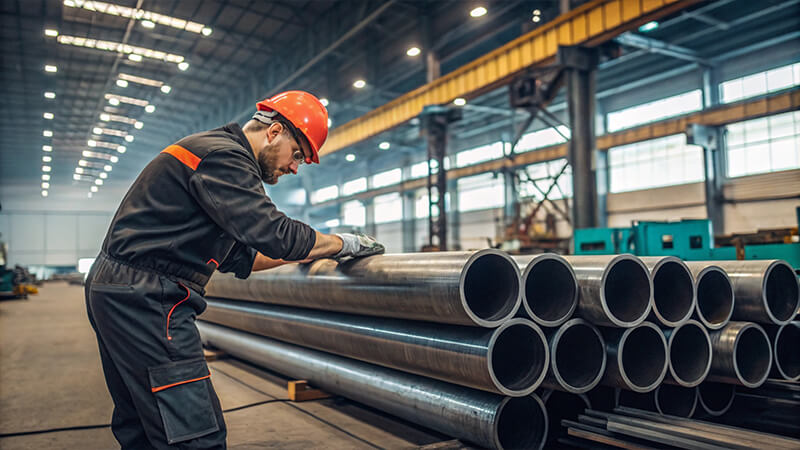
How does honing reduce friction in mechanical systems?
Honing[^6] addresses surface roughness to reduce friction, improving efficiency.
Honing reduces friction in mechanical systems by creating a uniform surface and enhancing lubricant retention.
Dive Deeper: Friction Reduction Through Honing
Friction is a major cause of inefficiency in mechanical systems. Honing reduces this by removing surface imperfections, creating a consistent crosshatch pattern that retains lubricants effectively.
Friction Reduction Techniques
| Technique | Purpose |
|---|---|
| Crosshatching | Enhances lubricant retention |
| Precise Material Removal | Minimizes irregularities for smoother surfaces |
| Lubrication Optimization | Ensures even lubricant distribution |
These improvements result in less wear and tear, increased system lifespan, and better energy efficiency, especially in high-load environments.
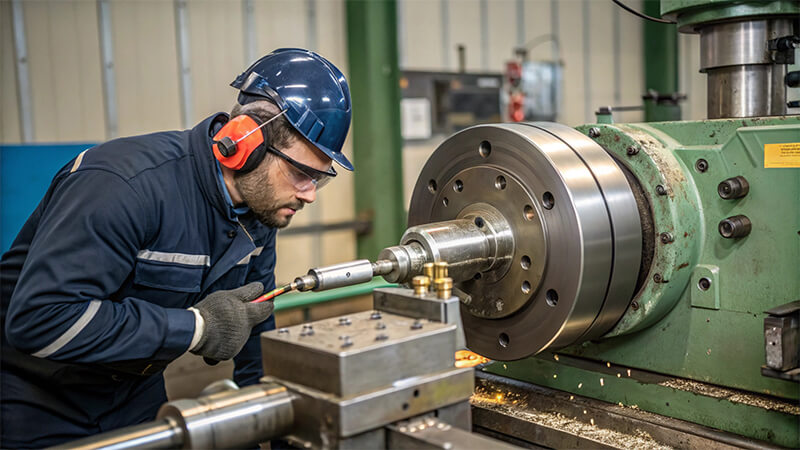
What are the typical defects removed by the honing process?
Honing[^7] solves issues of uneven surfaces and structural defects in pipes.
The honing process removes scratches, burrs, and distortions, creating a smooth and precise pipe surface.
Dive Deeper: Defect Removal Through Honing
Honing eliminates common defects that reduce the effectiveness of pipes. Below are typical defects addressed:
| Defect | Solution Provided by Honing |
|---|---|
| Scratches | Removes superficial damage for smooth surfaces. |
| Burrs | Eliminates sharp edges, preventing wear. |
| Dimensional Variations | Ensures consistent pipe diameter. |
| Internal Roughness | Improves fluid flow and reduces resistance. |
Removing these defects enhances the pipe’s ability to perform under high pressure and demanding conditions.